
Pre-K4 – 5 years
The kindergarten readiness year. Reading and writing, real math, executive function, and the social-emotional skills that make the first day of public school feel like just another Tuesday.
Teacher-to-child ratio: 1:13
Predictable rhythm. Plenty of room to breathe.
Children settle when they know what’s next. Here’s the rhythm of a typical day.
- 6:00 – 8:00 AMDrop-off, free choice
- 8:00 – 8:30 AMBreakfast
- 8:30 – 9:00 AMMorning circle: calendar, weather, news
- 9:00 – 11:30 AMLiteracy and math blocksSmall-group lessons plus independent work.
- 11:30 – 12:30 PMOutdoor play
- 12:30 – 1:15 PMLunch
- 1:15 – 2:30 PMSpecials and STEMScience, simple coding, art, music, gardening.
- 2:30 – 3:00 PMSnack and reflection
- 3:00 – 6:30 PMFree choice, work cycle, family pickup
What we work on at this age.
Reading and writing
Sight words, decoding, journal writing. Most pre-K graduates leave reading short books and writing 2-3 sentence entries on their own.
Real math
Numbers to 1000 with the golden beads, simple addition and subtraction, intro to multiplication via skip counting. Place value before they hit kindergarten.
Executive function
Following multi-step directions, planning their work, advocating for themselves. The skills that make kindergarten feel manageable.
Public-school transition
We mirror the public-school day length, classroom structure, and lunch flow during the spring so the transition is small, not seismic.
Developmental milestones.
- Reading short books independently and beginning to write their own stories.
- Place value through 1000; addition and subtraction with regrouping.
- Telling time, counting money, simple word problems.
- Asking for help in clear sentences, working through frustration without shutting down.
- Self-advocacy: speaking up when something is unclear.
About the pre-k program.
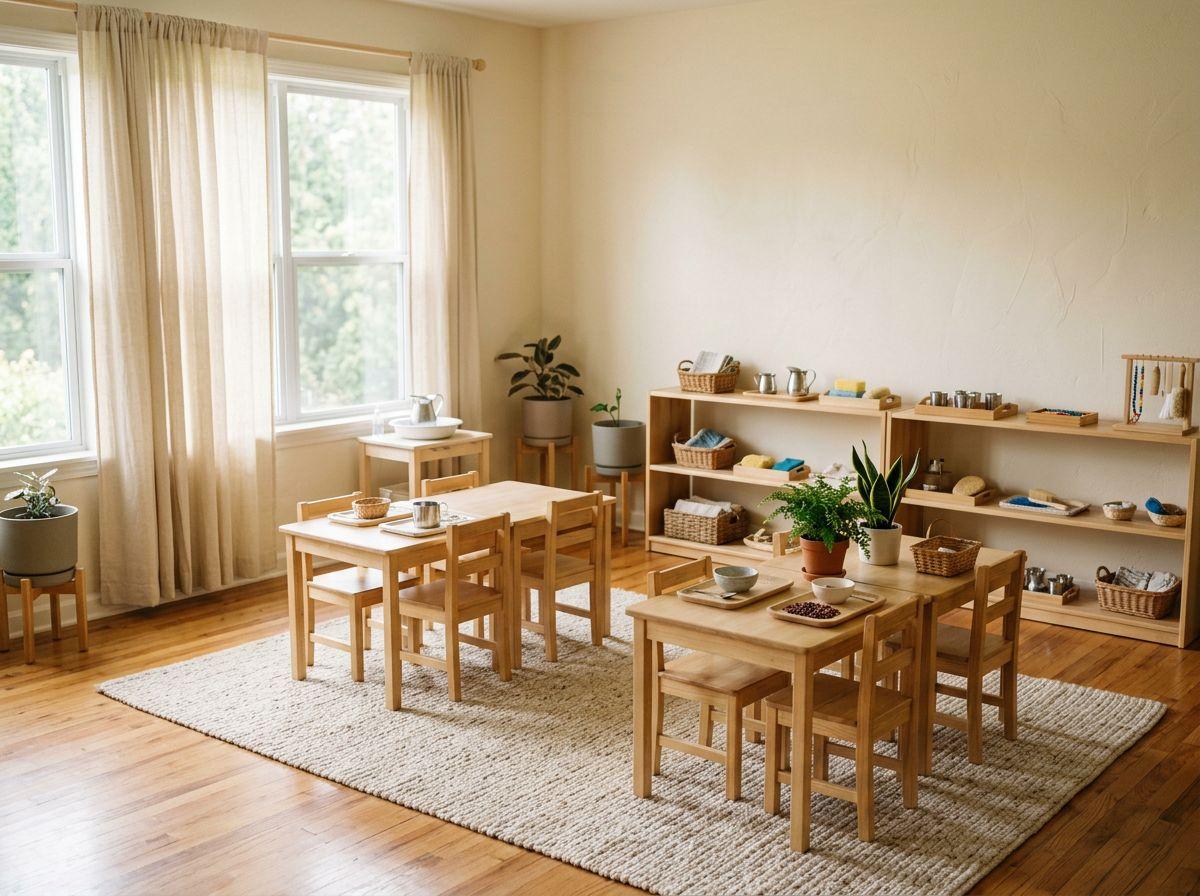
Come see Beechnut St. for yourself.
Tours are free and last about 30 minutes. Bring your little one if you can — they usually decide before you do.